Where Couples Overspend on Their Wedding
Wedding budgets rarely get out of control because of one huge decision.
More often, the budget starts moving because of a series of smaller choices. An upgrade here, additional event there, or a vendor booked before the full budget is clear. A detail added because it looked beautiful online.
Individually, each decision feels reasonable. Together, they can completely change the financial picture.
The problem is usually not overspending in one specific category. It is spending money before deciding what matters most to you.
Start With the Experience, Not the Extras
One of the biggest themes in my wedding planning work is simple: the experience needs to come before the details.
Couples often begin with the venue, the resort, or the visual details before they have established the experience they want to create. The same thing happens with local weddings.
You start looking at venues. Then photographers, fflorists, tablescapes, and stationery. Before long, you are making decisions based on what you like rather than what you need.
A better starting point is deciding what matters most.
Do you care deeply about photography? Is dinner with your closest people one of the most important parts of the day? Do you want a packed dance floor? Is guest comfort a priority? Do you want a smaller celebration with more room in the budget for the things you value?
Once you know your priorities, your spending decisions get much easier.

Decor Is an Easy Place to Keep Spending
Decor is one of the easiest wedding categories to expand.
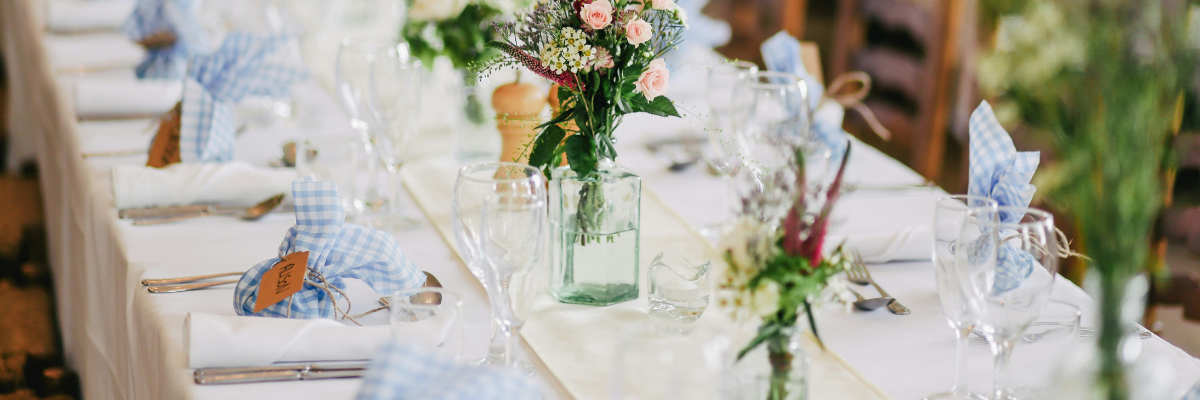
There is always another floral arrangement. Another candle. Another linen. Another specialty chair. Another installation. Another sign.
None of these are bad choices. They simply need a reason to be there.
Before adding another decor upgrade, ask yourself what it changes.
Does it improve the experience? Or create a meaningful moment? Does it solve a real problem? Or does it simply make one part of the wedding look a little more finished?
You do not need to remove every beautiful detail from your wedding.
You just need to stop treating every beautiful detail like a requirement.
Your Guest Count Changes More Than Your Guest List
Couples sometimes look at the guest list as a separate planning decision.
It is not.
Guest count affects the venue, food, drinks, rentals, invitations, transportation, and the overall flow of the wedding. Adding another group of people can create expenses well beyond one more place setting.
This is one reason guest logistics need to happen early in the planning process. Your guest list can affect the venue you choose, the overall budget, and even how practical the wedding is for the people you want there.
A larger wedding may be exactly what you want. A smaller wedding may be a better fit. Neither is automatically better.
The important part is knowing what your guest count means before you keep adding names.
Stop Spending Money Because You Saw It Online
Wedding inspiration is useful.
It can also make couples feel like their wedding is missing something.
You see a champagne tower, so suddenly you need one. Then see a large floral installation, so your ceremony backdrop no longer feels complete. You see a welcome party, so now one wedding event has become three.
Before adding something, ask yourself one question: did I want this before I saw it?
If the answer is yes, consider it.
If the answer is no, give yourself permission to leave it out.
Your wedding does not need to become a collection of every beautiful idea you have saved.
Booking Vendors in the Wrong Order Can Cost You
Another common place couples overspend is in the sequence of decisions.
A couple finds a venue they love. Then they book a photographer, and they find a florist, next is they add entertainment. Each choice makes sense individually.
The problem appears when the full budget catches up with them.
Check my blog on How to Find the Right Wedding Vendor to know more.
Vision before venue. Budget before browsing. Guest logistics before resort comparison. The same sequence helps with a local wedding too.
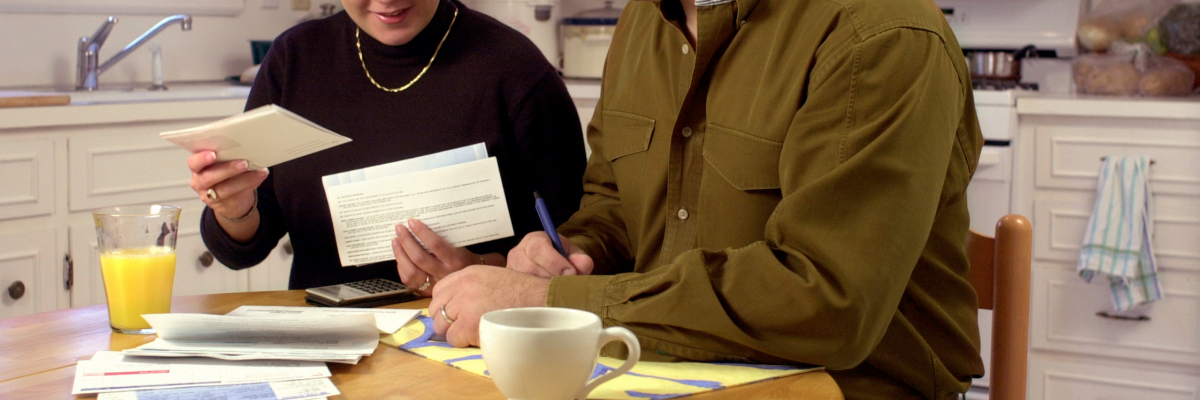
Your budget needs to exist before you start falling in love with individual vendors. Otherwise, every vendor becomes a decision based on emotion, followed by a budget adjustment.
Start with the full picture. Then decide where your money belongs.

Do Not Forget the Cost of Your Time
There is another form of overspending couples do not always recognize.
Your time has value.
If you spend months managing vendor emails, comparing contracts, building timelines, answering guest questions, and coordinating logistics, you are paying for the wedding with more than money. You are paying with your attention.
The same problem can follow you into the wedding day. Someone needs to manage vendor arrivals, know when the ceremony starts, keep the timeline moving, handle questions when something changes.
If the answer is you, you have not fully stepped out of the planning role.
My work is built around preventing exactly this. Wedding planning is not only about creating a checklist. It is about making sure the decisions, vendors, timelines, and logistics work together so you can be present for the wedding you planned. Vibewell Vows approaches both Nashville and destination weddings with structured planning, vendor management, and timeline control.
Spend More Where You Will Really Feel It
There is no universal list of wedding categories where every couple should spend more. Your priorities should determine your budget.
For one couple, photography may be worth the investment. For another, it may be food and hospitality. Another couple may care most about entertainment or guest comfort.
The point is not to spend less everywhere. It is to spend with intention.
If something matters deeply to you, give it room in the budget. If something does not matter, you do not need to spend money on it simply because other couples do.
Your Wedding Does Not Need More. It Needs More Intention.
A wedding can have incredible decor and still feel chaotic. It can have fewer details and feel deeply personal. The difference often comes down to how the day functions.
Can you enjoy dinner with your guests? Can you step away together for a few minutes? Do you know who is handling vendor questions? Can your guests move through the day without constantly asking where they need to be? Do you feel like you are attending your own wedding, or managing it?
These questions matter more than adding another detail to the reception. Your wedding budget should support the experience you want to have. It should protect the parts of the day you care about. It should account for your guests. It should give you room to make intentional choices instead of reacting to every new idea.
Most importantly, it should leave you with enough structure and support to experience the day instead of managing it.
Frequently Asked Questions
What is the most common wedding budget mistake couples make?
Booking vendors before the full budget is set. Each vendor decision feels reasonable on its own, but without a clear picture of the total budget first, the choices add up faster than couples expect.
What wedding category do couples usually overspend on?
Decor tends to expand the most, since there is always one more upgrade available. Guest count is the other common one, since it quietly increases costs across nearly every other category.
How do you know if your wedding budget is out of control?
A few signs: you are adding items you did not plan for because you saw them online, you booked a vendor before comparing it to your full budget, or you feel unsure how the remaining categories will fit into what is left.
Should you cut your wedding guest list to save money?
Not automatically. A smaller guest list can free up budget for other priorities, but the right guest count depends on what matters most to you, not on a rule about what saves the most money.
How can a wedding planner help with overspending?
A planner sets the budget and priorities before vendor conversations start, sequences decisions in the right order, and manages logistics so spending stays aligned with what the couple really wants from the day.
Before You Spend More, Come Back to Your Priorities
If your wedding budget is starting to feel stretched, you do not necessarily need to cut everything.
Start by looking at what you are spending money on. Ask what matters. Ask what improves the experience. Ask what solves a real problem. Ask what you added because you genuinely wanted it and what you added because you saw it somewhere else.
Then look at the logistics. If you are spending your own time keeping every piece of the wedding moving, consider what professional planning and coordination could take off your plate.
You are already investing a significant amount into your wedding. Your time, attention, and presence deserve to be part of the budget conversation too.
If you are planning a Nashville wedding, destination wedding, or intimate celebration and want someone to help you make the decisions in the right order, I would love to connect. I help couples build the plan, manage the moving pieces, coordinate vendors, and keep the wedding day focused on the two people getting married.
You do not need to figure out every piece before reaching out. Start with a conversation. I can look at where you are, what you need, and what makes sense from here.