For years, weddings seemed to follow the same formula. Invite everyone you know, find a venue large enough to accommodate them, plan a reception with all the traditional elements, and hope you get a chance to actually enjoy your wedding day.
But more couples are starting to question whether a bigger wedding is really what they want.
Instead of asking how many people they can invite, they’re asking who they genuinely want to celebrate with.
They’re considering how much time they’ll get with their guests, what kind of experience they want to create, and whether spending money on a larger guest list makes sense for their priorities.
And I think those are much better questions to ask.
A smaller wedding isn’t necessarily about having a limited budget or cutting back. For many couples, it’s a conscious decision to focus their time, energy, and money on the parts of the celebration they care about most.
But before you start cutting names from your guest list, there are a few things worth considering.
Smaller Doesn't Mean You're Getting Less
One of the biggest misconceptions about smaller weddings is the assumption you’re sacrificing something by inviting fewer people.
You might have fewer tables, fewer invitations, and a smaller venue, but none of those things determine how meaningful or enjoyable your wedding will be.
In fact, reducing your guest count can open up options you may not have considered.
A venue with a maximum capacity of 40 guests suddenly becomes a possibility. You might have more flexibility with your catering selections, create a more personalized ceremony, or turn your wedding into an entire weekend of experiences with your favorite people.
You may also find yourself spending less time greeting guests and more time enjoying your own reception.
None of this means a large wedding can’t be personal or meaningful. It absolutely can.
The difference is how you choose to plan the experience.
Small Wedding vs. Intimate Wedding: What's the Difference?
These terms are often used interchangeably, but I think there’s an important distinction.
A small wedding describes the guest count. An intimate wedding describes the experience.
A wedding with 30 guests can still feel rushed, overly formal, or disconnected if the timeline doesn’t allow people to spend time together.
On the other hand, a wedding with 100 guests can feel incredibly personal when the couple has made thoughtful decisions about the ceremony, reception, and guest experience.
There’s no official guest count defining an intimate wedding.
Some couples consider 20 people intimate. Others have large families and feel like 75 guests is a very small celebration.
What matters more is how you want the wedding to feel.
Consider a few questions before deciding on your guest count:
- Do you want a traditional reception with dancing and formal events, or something closer to an extended dinner party?
- How much time do you want to spend with your guests?
- Are there family traditions or personal elements you want to incorporate?
- Do you want everyone involved in the full wedding weekend?
- Would you prefer a larger celebration or a more relaxed gathering with your closest family and friends?
Your answers will help determine what kind of wedding makes sense for you.

How to Decide Who Makes the Guest List
This is where things can get complicated.
Creating a wedding guest list sounds simple until you start considering family expectations, longtime friendships, coworkers, plus-ones, children, and people who assume they’re automatically invited.
And suddenly, your intimate wedding has 150 names on the spreadsheet.
Before you start adding everyone you know, I’d recommend sitting down together and deciding what your guest list should look like.
Start With the People You Actually Want There
Think about the people who are actively part of your lives.
Who do you regularly spend time with? Who has supported your relationship? Who would you genuinely miss if they weren’t present?
This doesn’t mean every person on your guest list needs to be someone you see every week. Family relationships, distance, and personal circumstances all matter.
But there’s a difference between inviting someone because you want them there and inviting someone because you’re worried about their reaction if they’re excluded.
Your wedding guest list shouldn’t be built entirely around avoiding uncomfortable conversations.
Establish Your Guest List Rules Early
Before invitations go out, agree on a few boundaries.
Will children be invited? Are you allowing plus-ones? Are coworkers included? Are you inviting extended family members you rarely see?
There isn’t one correct answer to any of these questions.
What matters is making decisions together and applying your rules consistently.
If you make an exception every time someone questions your decision, your guest list can grow pretty quickly.
And remember, you can be kind without changing your plans to accommodate everyone else’s preferences.
Be Prepared for the Conversations
Even with clear boundaries, someone may be disappointed.
A relative might assume they’re invited. A guest may ask to bring an additional person. Someone might question your decision to have an adults-only wedding.
You don’t need to provide a lengthy explanation or defend every choice.
A polite, clear response is usually enough.
If you’re struggling with how to communicate those decisions, I’ve created a free resource, How to Say No with Grace and Confidence, with practical wording for those conversations.
You can respect someone’s feelings without allowing them to make your wedding decisions for you.
More Time With Your Guests Is a Real Advantage
One of the biggest benefits of a smaller wedding has nothing to do with the venue, flowers, or catering.
It’s time.
At a large wedding, couples can spend a significant portion of their reception moving between tables, greeting guests, taking photos, and trying to keep up with the timeline.
By the end of the night, they may realize they barely had a conversation with some of the people they were most excited to see.
A smaller guest list can make those interactions easier.
You may have time to sit down and enjoy dinner, spend more than a few minutes talking with family members, or simply enjoy the reception without feeling like you need to greet another 20 tables.
Of course, a smaller wedding doesn’t automatically guarantee a relaxed timeline.
If you schedule every minute of the day, you’ll still feel rushed.
This is where planning the timeline around your priorities becomes just as important as reducing the guest count.
You Can Create a More Personal Guest Experience
When you’re planning for a smaller group, you have more flexibility to consider the experience of each guest.
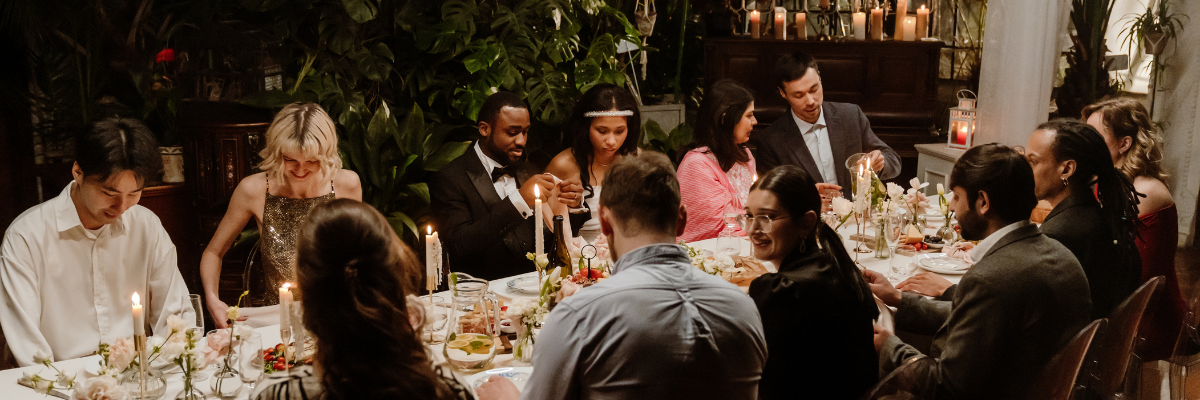
Maybe you want to host a welcome dinner where everyone can meet before the wedding. Perhaps your reception includes a family-style meal, personal notes at each place setting, or a menu inspired by foods you both love.
You might choose a venue where everyone can sit together rather than being spread across a large ballroom.
Or you could plan a full wedding weekend with several opportunities to spend time together.
These aren’t requirements for an intimate wedding. They’re simply possibilities worth considering.
Your Venue Options May Change, Too
A smaller guest count can open the door to venues you might otherwise overlook.
Private estates, boutique hotels, restaurants, gardens, and smaller event spaces may become realistic options.
Here in Nashville and Middle Tennessee, couples can consider spaces which wouldn’t accommodate a traditional large wedding but could work beautifully for a smaller celebration.
Destination weddings offer another opportunity.
Instead of hosting a large reception at home, some couples choose to travel with their closest family and friends and create a multi-day experience.
I’ve written more about why micro destination weddings are becoming popular if you’re considering taking your celebration somewhere beyond your hometown.
The important part is choosing a venue and location based on the experience you want, not simply finding a smaller version of a traditional wedding venue.
Does a Smaller Wedding Actually Save Money?
Here’s where I want couples to be realistic.
A smaller guest list does not automatically mean a smaller wedding budget.
Yes, some expenses are directly connected to your guest count.
Catering, bar service, invitations, place settings, and certain rentals may cost less when you’re accommodating 40 guests instead of 150.
But other wedding expenses don’t necessarily decrease just because fewer people attend.
Your photographer may still be working the same number of hours. Your planner is still coordinating vendors and managing the wedding day. Your venue may have a minimum spend, and your florist may still need to create the same ceremony arrangements.
A wedding with 30 guests can absolutely have a significant budget.
And there’s nothing wrong with it.
Think About Where You Want Your Money to Go
Some couples reduce their guest count because they want to lower their overall wedding expenses.
Others keep a similar budget and redirect their spending toward different priorities.
For example, you might choose to invest more in photography, offer a more elaborate dining experience, book a venue with a higher rental fee, or plan additional activities during the wedding weekend.
Neither approach is better.
The goal is to understand your priorities before committing to expenses.
If you’re still deciding which wedding details deserve more of your budget, my guide to where to splurge and where to save on your wedding can help you work through those decisions.
My planning advice: Don’t assume a smaller guest list will automatically make every vendor less expensive. Build your budget around actual proposals, minimums, and the experience you’re planning.

Plan a Wedding Designed for Your Guest Count
One mistake couples can make when downsizing is trying to recreate a traditional large wedding with fewer people.
Sometimes it works. Other times, it leaves the celebration feeling a little disconnected.
For example, a ballroom designed for 250 guests may not feel quite right with 30 people spread across the space.
The same goes for your timeline.
You don’t necessarily need every traditional reception event simply because you’ve seen it at other weddings.
Start by deciding how you want the celebration to flow.
Would you prefer everyone seated together for dinner? Do you want a cocktail-style reception? Are you planning to dance late into the evening, or would you rather spend the night enjoying good food and conversation?
Maybe you want to include a first dance, cake cutting, and traditional speeches.
Or maybe you don’t.
Both approaches can work.
Your wedding doesn’t need to follow a specific formula to feel complete.
Don't Overlook the Ceremony
With a smaller group, your ceremony can become an especially personal part of the celebration.
You may have more flexibility to include meaningful readings, personal vows, family traditions, or participation from your guests.
You could choose a ceremony location with personal significance or create a seating arrangement where guests feel more connected to what’s happening.
These details don’t need to be elaborate.
Sometimes the most meaningful decisions are the simplest ones.
Your Wedding Doesn't Have to Look Like Anyone Else's
One of the concerns I hear around smaller weddings is whether the celebration will feel like enough.
Will guests be disappointed? Will family members think it’s too small? Will people assume you’re having a smaller wedding because you can’t afford something bigger?
Here’s what I’d encourage you to remember.
Your guest count isn’t a measurement of how important your wedding is.
A wedding with 25 guests isn’t automatically more meaningful than one with 200, and a larger wedding isn’t automatically more impressive.
They’re simply different experiences.
Some couples genuinely love the idea of a large celebration with a packed dance floor and everyone they know.
Others would be much happier enjoying dinner with 30 of their favorite people.
Neither couple is planning the wrong wedding.
The problem comes when you start planning around someone else’s expectations instead of your own priorities.
Do You Still Need a Wedding Planner for a Small Wedding?
This is another misconception worth clearing up.
A smaller wedding may involve fewer guests, but it doesn’t necessarily involve fewer planning responsibilities.
You still need to select vendors, review contracts, manage your budget, develop a timeline, coordinate logistics, communicate expectations, and make sure everything comes together on the wedding day.
Depending on your venue and plans, you may also have transportation, accommodations, multiple events, or other moving pieces to coordinate.
And when you’re planning a highly personalized experience, some details may actually require more attention.
For example, a private dinner at an estate might involve coordinating catering, rentals, staffing, lighting, and setup rather than relying on a venue with an established wedding package.
This is why I encourage couples to consider planning support based on the complexity of their wedding, not just their guest count.
A wedding planner helps you work through the decisions, coordinate the details, and create a realistic plan for the celebration.
Whether you’re hosting 30 guests or 130, you should be able to enjoy your wedding without spending the day managing vendors and answering logistical questions.
Frequently Asked Questions
Q: What is considered an intimate wedding?
A: There isn’t an official guest count. Some couples consider fewer than 50 guests intimate, while others may have 75 or 100 guests and still create a very personal experience. The difference comes down to how the celebration is planned and how connected guests feel to the couple.
Q: Is an intimate wedding cheaper than a large wedding?
A: It can be, but not always. Expenses tied directly to guest count may decrease, while costs such as photography, planning, entertainment, and venue minimums may remain similar. Some couples use the savings to reduce their overall budget, while others invest more in specific experiences.
Q: How do you decide who to invite to a small wedding?
A: Start with the people you genuinely want present, then establish consistent guidelines for extended family, coworkers, children, and plus-ones. Make those decisions together before sending invitations, and avoid adding guests solely because you feel obligated.
Q: How do you make a small wedding feel special?
A: Focus on the experience rather than trying to fill the space. Choose a venue appropriate for your guest count, create a timeline with room for meaningful interactions, and prioritize details you genuinely care about. A thoughtful meal, personal ceremony, and comfortable guest experience can make a big difference.
Q: Do you still need a wedding planner for a small wedding?
A: Planning support can be valuable regardless of guest count. Smaller weddings still require vendor coordination, timelines, contracts, logistics, and budget management. The level of planning support you need depends more on your venue, event complexity, and personal preferences than the number of invitations you send.
Q: Can you have an intimate wedding with 100 guests?
A: Yes. While 100 guests may not be considered a small wedding, you can still create an intimate atmosphere through your venue layout, ceremony, timeline, and guest experience. Intimacy isn’t determined by guest count alone.
Plan the Wedding You Actually Want
There’s nothing wrong with wanting a large wedding, and there’s nothing wrong with wanting something smaller.
What matters is making decisions based on the celebration you and your partner want to experience.
If you’re considering a smaller wedding, think beyond the number of people you’re inviting.
Consider how you want to spend your time, what kind of atmosphere you want to create, and which details matter enough to prioritize in your budget.
You don’t need to include every wedding tradition, invite everyone you’ve ever met, or plan a celebration based on what other people expect.
And you certainly don’t need to apologize for wanting something different.
As a Certified Wedding Planner serving the Caribbean, Mexico, Nashville, and Middle Tennessee, I help couples plan weddings around their priorities, guest experience, and the way they actually want to celebrate.
Whether you’re planning a smaller gathering or a larger celebration, I can help you work through the decisions and bring everything together.
Ready to plan a wedding built around your priorities? Schedule a wedding consultation and let’s talk about what you have in mind.
Additional Reading:
-
Why So Many Couples Are Choosing Smaller Weddings With Bigger Experiences
-
How to Pull Off a Beautiful Outdoor Summer Wedding Without Melting in the Heat
-
Destination Wedding Room Blocks: What Every Couple Should Know Before Booking a Resort
-
The Ultimate Luxury Honeymoon Isn't About the Resort: Here's Why
-
The Wedding Stress Nobody Warns You About