Something has shifted in how couples approach wedding planning in 2026. Not in the color palettes or the floral trends or the stationery styles. In the underlying question more couples are asking before they say yes to anything: does this actually matter to us, or does it matter because we think it is supposed to?
The wedding trends below are not being left behind because they look dated. They are being left behind because couples are becoming more honest with themselves earlier in the process. A wedding designed around obligation and expectation looks different from a wedding designed around the two people actually getting married. In 2026, more couples are choosing the second version.
Here is what they are moving away from, and why.
Enormous Bridal Parties
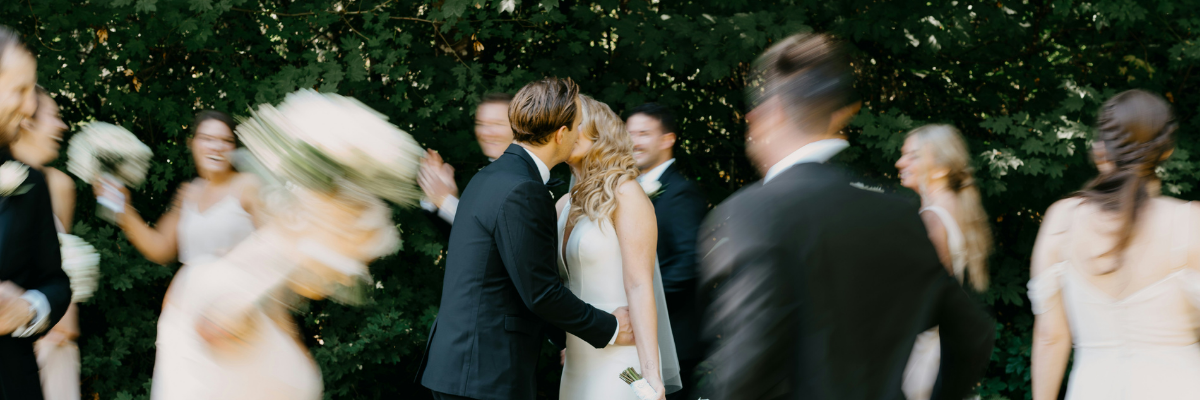
The 8-to-10-person matching lineup had a long run. Couples are stepping back from it for a reason: the people standing at the altar should be there because the relationship is real, not because someone needed to fill a position or return a favor.
Smaller, more intentional wedding parties are showing up consistently in 2026 planning conversations. Two or three people who genuinely matter to the couple carry more weight in a ceremony than a lineup the couple spent six months managing. If choosing your wedding party causes more stress than excitement, pay attention to what this stress is telling you.
All-Matching Bridesmaid Dresses
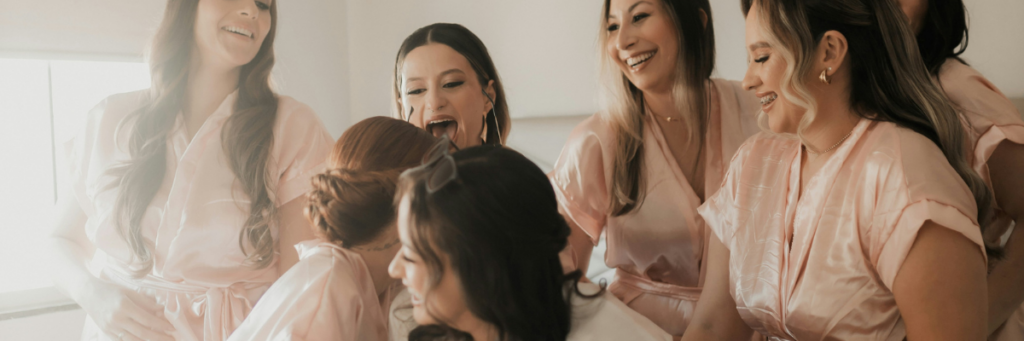
The identical dress requirement is fading. What is replacing it: coordinated color palettes, complementary silhouettes, or simply asking attendants to wear something they already own in a particular color family. The result is usually better photos anyway. Real people wearing clothes they feel comfortable in look different from a set of matching gowns on people who were not all built the same.
Ceremony Scripts Nobody Actually Wrote
“Today we gather to celebrate the love of…” starts hundreds of thousands of ceremonies every year. Couples in 2026 are asking for something real instead.
I attended a destination wedding where the officiant had clearly spent time with the couple. He said specific, true things about who they were individually and what they were to each other. The room changed. The moment has stayed with me, and it stays with the couples and guests who experience it. A ceremony worth attending does not sound like every other ceremony.
Shifting your wedding details toward what actually matters to you starts here, in how you choose to frame the most important fifteen-twenty minutes of the day.
Assigned Seating for Every Conversation
Full escort card systems where every guest’s exact seat is determined weeks in advance are giving way to hybrid approaches: assigned tables with open seating within them, or intentional lounge areas where guests move naturally. Couples are recognizing their guests as adults who can manage where to sit. Reception energy consistently improves when people have some freedom to find each other.
The Dollar Dance
The dollar dance is coming off programs in most markets. Not because the tradition never held meaning, but because couples are being more intentional about which traditions they want to carry and why. When you do not have a clear answer to why you are doing something at your wedding, it’s usually a sign it does not need to be there.
Wedding Favors Nobody Keeps
The budget conversation has gotten more honest in 2026, and favors are often the first line item to go. A seed packet, a mini hot sauce, a custom koozie: these are not what guests remember. What guests remember is whether they felt welcome, whether the food was worth it, whether they got to spend real time with the people they came to celebrate.
Where couples consistently overspend and where they never quite do is worth understanding early. Favor budget is almost always better redirected toward guest experience: a welcome dinner, a thoughtful hotel welcome bag, an extra thirty minutes on the cocktail hour.
Rigid Five-Minute Timeline Slots
The overscheduled reception, where every fifteen minutes is blocked and announced, is giving way to something looser and better. Couples are building breathing room into their timelines: longer cocktail hours, dinners without a hard cutoff, dance floors people find naturally instead of being ushered to.
Guests feel the difference between a day being managed and a day being celebrated. The small details couples end up cherishing most from their wedding day are almost always the unscripted ones.
Top-40-Only Entertainment
Generic DJ sets are being replaced by something more considered. Live musicians for ceremony and cocktail hour. Hybrid setups with a live drummer over a DJ track. Playlists the couple actually built together instead of handing someone a genre. Music is one of the most direct expressions of who you are, and couples in 2026 are treating it this way.
Obligation-Based Guest Lists
This is the biggest wedding trend shift of 2026. “We have to invite my parents’ friends” and “she was at my wedding so I have to invite her” are losing ground to a harder but more honest conversation happening earlier in planning: who do we actually want in the room?
Smaller guest counts with higher investment per person is the direction intentional couples are consistently moving. The math usually works in their favor. And the day feels like theirs in a way a 200-person event designed for everyone else rarely does.
Not Thinking About What the Wedding Costs Your Guests
This one rarely makes wedding trend lists but it should. The average guest spends over $500 attending a wedding when you factor in the gift, attire, travel, and accommodations. For destination events, the number is significantly higher. Couples leaving this behind are building their guest experience around making the investment worth it.
Welcome bags with real thought behind them. Clear communication about what guests should expect and what the destination has to offer. Hotel block coordination done early. An understanding of why 2026-2027 destination wedding design is moving toward intention over spectacle often starts with couples asking what showing up actually costs their guests.
What Couples Are Choosing Instead
Intentional personalization over inherited tradition. Ceremonies designed around specific, true things about two specific people. Guest lists built around relationships rather than obligation. Receptions with room to breathe. Music and entertainment chosen rather than defaulted to.
The common thread is a willingness to ask the real question early: What do we actually want from this day?
As a Certified Wedding Planner, I help couples answer this question and turn it into a wedding designed around who they are, not simply what weddings are expected to look like. I work with couples locally and at destinations to create celebrations where the choices feel intentional, personal, and worth showing up for.
If you are still in the early stages of planning your ceremony, my Planning the Ceremony guide walks through some of the details couples consistently overlook and gives you a place to start thinking through what matters to you.
And if you are ready to take those ideas further and want someone to think through the possibilities with you, I would love to have the conversation.
Additional Reading
-
Wedding Trends Couples Are Leaving Behind in 2026
-
How to Make Your Wedding Personal (Without Feeling Like You Have to Reinvent Everything)
-
The #1 Reason Guests Say Yes to a Destination Wedding (It's Probably Not What You Think
-
Are All Inclusive Honeymoons Worth It? How to Know if One Is Right for You
-
What a Calm Wedding Day Looks Like (And How to Create One)